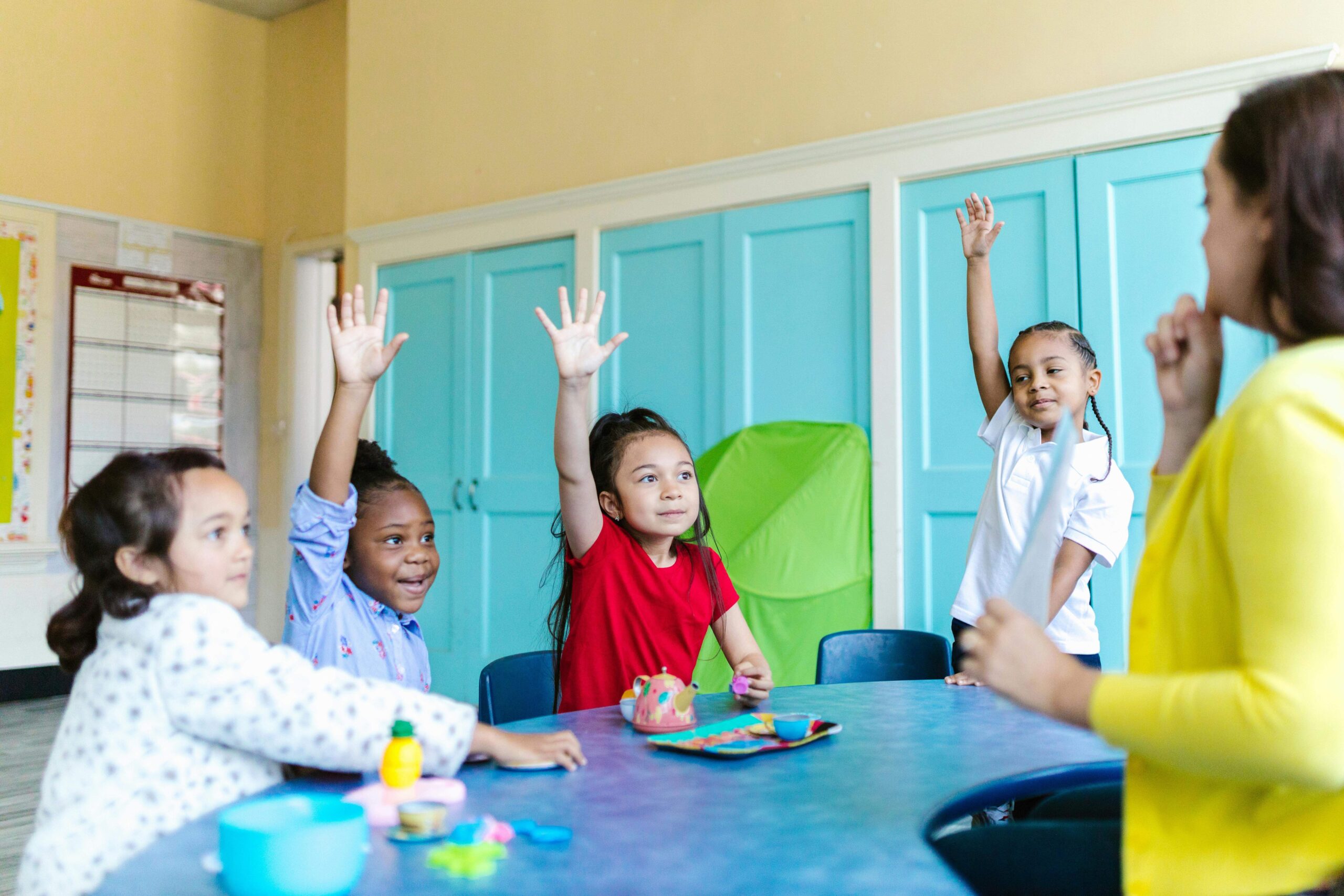

Nursery Class: 7 Powerful Benefits Every Parent Must Know is a complete guide for parents who want the best start for their child’s education. It explains how nursery education builds strong foundations through fun learning, social interaction, and early skill development.
Nursery Class: 7 Powerful Benefits Every Parent Must Know refers to early childhood education for children aged 3–4 years. It focuses on play-based learning, communication skills, and social development, helping children adapt to school life and preparing them for future academic success.
What is Nursery Class: 7 Powerful Benefits Every Parent Must Know
Nursery Class is the first stage of formal education designed for young children.
It introduces basic concepts like colors, numbers, and language through fun activities, helping kids learn naturally in a structured environment.
Why is Nursery Class: 7 Powerful Benefits Every Parent Must Know Important
Nursery education plays a key role in shaping a child’s future.
It helps children develop confidence, improves communication, and builds social skills needed for school and life.
Types of Nursery Class:
Different types of nursery programs include:
- Play-based Nursery
- Montessori Nursery
- Traditional Nursery
- Daycare Nursery
- International Curriculum Nursery
How to Choose Nursery Class:
Follow these steps:
- Research school reputation and reviews
- Visit the classroom environment
- Check teaching methods
- Ensure safety and hygiene
- Compare fees and facilities
Benefits of Nursery Class:
Here are the key benefits:
- Improves communication skills
- Builds confidence
- Enhances creativity
- Develops social interaction
- Prepares for primary education
- Encourages independence
- Improves motor skills
Nursery Class vs Kindergarten
| Feature | Nursery Class | Kindergarten |
| Age Group | 3–4 years | 4–6 years |
| Focus | Play-based learning | Academic readiness |
| Teaching Style | Informal & fun | Structured |
| Duration | 2–3 hours/day | 3–5 hours/day |
| Learning Level | Basic | Advanced |

Common Mistakes
Avoid these mistakes:
- Choosing school based only on fees
- Ignoring child comfort
- Not checking teacher quality
- Overlooking safety standards
- Forcing academic pressure too early
Daily Activities in Nursery Class:
Daily routine in Nursery Class is very important. It helps children learn discipline and develop a structured lifestyle from an early age.
Children participate in different activities every day to support their overall development. These activities are designed to be fun so that kids stay engaged and interested in learning.
Common activities include
- Rhymes and singing sessions
- Storytelling and listening
- Drawing and coloring
- Clay modeling and craft work
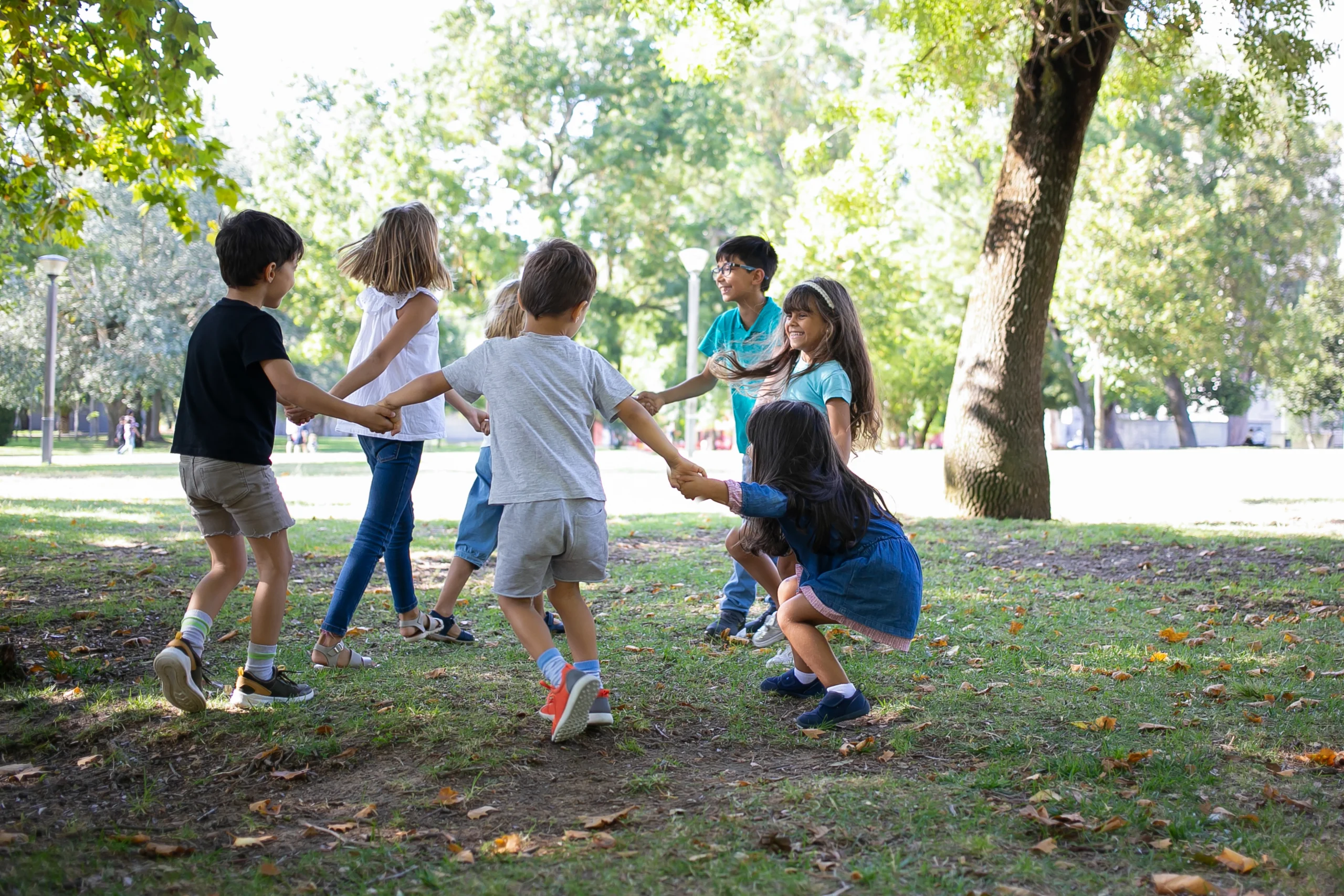
- Outdoor play and games
These activities improve children’s creativity, imagination, and communication skills
Skills Developed in Nursery Class:
Nursery Class is not just about studying; it is a stage of skill development.
At this stage, children develop essential life skills that help them in the future. These skills build a strong foundation for learning and personal growth.
Key skills include:
- Language and speaking skills
- Social interaction skills
- Emotional understanding
- Problem-solving ability
- Fine motor skills (writing, drawing)
- Gross motor skills (running, jumping)
These skills help children become confident, active, and independent learners.
Admission Process for Nursery Class
The admission process for Nursery Class may vary from school to school, but the basic steps are generally the same.
Parents should complete the admission process on time to secure a seat for their child.
Basic admission steps:
- Fill out the admission form
- Submit required documents (birth certificate, photos)
- Attend an interaction session (parent and child)
- Complete fee payment and confirmation
Most schools do not conduct entrance exams and focus more on interaction and basic readiness.
Tips for Parents: Nursery Class: 7 Powerful Benefits Every Parent Must Know
Parents play a very important role during the nursery stage.
With the right support at home, children can learn faster and adapt better to school life.
Important tips:
- Do not put pressure on children
- Maintain a daily routine
- Encourage fun learning at home
- Listen carefully to your child
- Create a positive and supportive environment
These small efforts can make a big difference in a child’s development.
FAQs
What age is best for Nursery Class?
The best age for Nursery Class is 3 to 4 years. At this stage, children are mentally and socially ready to start learning basic skills and interact with other children in a structured environment.
What do children learn in Nursery Class?
Children learn basic concepts like alphabets, numbers, shapes, and colors. They also develop communication, social skills, and creativity through activities such as games, storytelling, and drawing.
Is Nursery Class necessary?
Nursery Class is not compulsory but highly beneficial. It prepares children for formal schooling by improving their confidence, discipline, and ability to adapt to a classroom environment.
How long is a Nursery Class?
Nursery Class usually lasts 2 to 3 hours per day. The short duration helps maintain children’s interest and ensures learning remains fun without causing stress or fatigue.
What is the difference between Nursery and Kindergarten?
Nursery focuses on play-based learning and basic skills, while Kindergarten introduces structured academics. Nursery builds the foundation, and Kindergarten prepares children for primary school education.
Conclusion
Nursery Class: 7 Powerful Benefits Every Parent Must Know highlights why early education is essential. It builds confidence, improves skills, and prepares children for school, ensuring a strong and successful academic journey ahead.